14-Inch Rough-In Toilets Compared: What the Makers' Spec Sheets Say
Few toilets are made for a 14-inch rough-in. Here are the ones whose own spec sheets say 14", with gallons per flush, bowl, height, WaterSense and MaP grams.
Guides to the toilet rough-in: what it is, how to measure it from the finished wall to the center of the floor flange, and which toilets their makers build for a 10-inch or a 14-inch rough-in, from the makers’ own spec sheets and installation manuals.
3 articles
14-Inch Rough-In Toilets Compared: What the Makers' Spec Sheets Say
Few toilets are made for a 14-inch rough-in. Here are the ones whose own spec sheets say 14", with gallons per flush, bowl, height, WaterSense and MaP grams.
10-Inch Rough-In Toilets Compared: What the Makers' Spec Sheets Say
Eight toilets whose own spec sheets say 10-inch rough-in, side by side: gallons per flush, bowl shape, height, WaterSense and the MaP score from the list.
Toilet Rough-In: How to Measure It and What 10, 12 and 14 Inches Mean
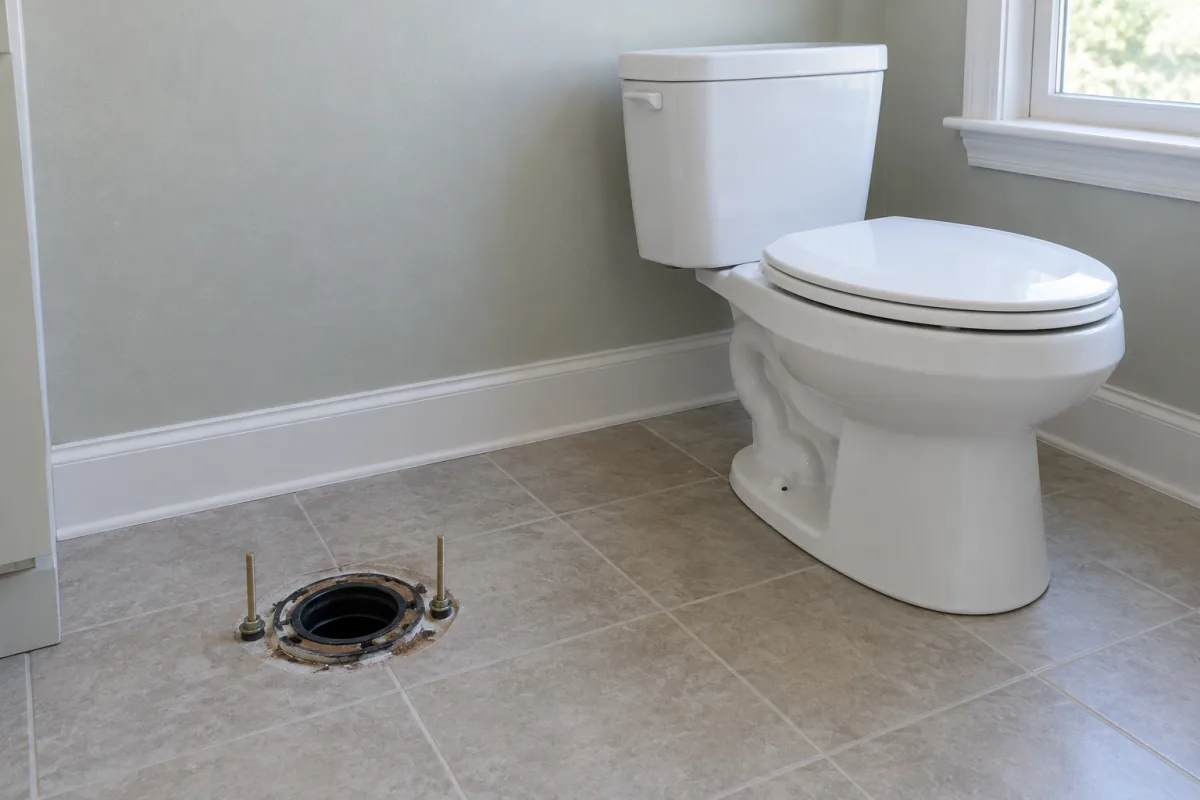
The rough-in is the distance from the finished wall to the center of the toilet drain. How to measure it with the toilet on or off, and what 10, 12 and 14 inches mean.
TOTO calls 12 inches the “standard (or at least most common)” rough-in, and notes that older homes, and even modern ones, may have a 10-inch or 14-inch rough-in depending on the size and shape of the bathroom (TOTO). Kohler’s spec sheet for its Cimarron K-3589 states a “Standard 12" (305 mm) rough-in” (Kohler), and American Standard writes that most toilets bolt to the floor 12 inches from the wall, not counting the baseboard (American Standard).
The spec sheet of the exact model number is what decides. TOTO’s installation manual for its Drake toilets says the rough-in “must be at least 12 inches for most models”, and that its 10-inch models have model numbers ending in “.10” (TOTO installation manual).